FBA Releases New Technical Paper on Upgrading MSO Networks to FTTH
Key Highlights
- Fiber Broadband Association releases new FTTH migration paper at Fiber Connect 2026 focused on helping MSOs transition from legacy HFC networks to FTTH infrastructure.
- The rising use of cloud services, AI applications, connected devices, and low-latency services is increasing pressure on MSOs to modernize networks.
- According to the paper, fiber networks provide greater scalability, improved reliability, and lower long-term operational costs compared to HFC infrastructure.
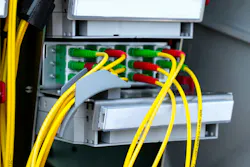
At Fiber Connect 2026, the Fiber Broadband Association (FBA) released a new technical paper titled Upgrading MSO Networks to Fiber to the Home (FTTH): A Technical Perspective, offering cable operators a detailed framework for migrating from legacy hybrid fiber coaxial (HFC) infrastructure to fiber-to-the-home (FTTH) networks.
Developed by FBA’s Technology Committee, the paper explores deployment strategies, technology considerations, and operational factors that Multiple System Operators (MSOs) must evaluate as broadband demand continues to accelerate.
For decades, MSOs have relied on HFC architectures to deliver broadband, video, and voice services. While DOCSIS advancements have extended the capabilities of coaxial networks, increasing consumer and enterprise demand for symmetrical bandwidth, ultra-low latency, and enhanced reliability is driving broader industry interest in all-fiber infrastructure.
“Fiber-to-the-home provides the capacity and scalability needed to support the next generation of broadband services,” said John George, FBA Technology Committee Chair and Lightera Sr. Director of Global Business Development.
George continues, “As network demands continue to grow, this paper highlights the technical pathways available to MSOs looking to modernize their infrastructure and remain competitive in a rapidly evolving broadband landscape.”
The paper outlines several factors accelerating FTTH adoption among cable operators, including:
- Increasing demand for higher upload and download speeds fueled by cloud computing, AI-driven applications, and connected devices.
- Competitive pressure from FTTH providers delivering symmetrical gigabit and multi-gigabit services.
- Reduced operational and maintenance costs associated with fiber infrastructure compared to HFC networks.
- The long-term scalability and lifespan advantages of fiber deployments.
- Support for emerging low-latency applications such as immersive gaming, advanced IoT services, and real-time cloud experiences.
In addition to market drivers, the report examines multiple migration approaches available to MSOs. These include greenfield FTTH overbuilds, phased “fiber deepening” strategies that incrementally replace coaxial segments, and full-system overbuilds designed to transition entire networks to fiber infrastructure.
The paper also addresses operational considerations tied to FTTH migration, including workforce development, fiber network management, OSS/BSS integration, and customer premises equipment deployment.
Stay Connected with ISE Magazine
Subscribe to our newsletters and magazine for the latest telecom insights, explore the current issue for in-depth features and strategies, and register for upcoming webinars to learn directly from industry leaders.