POTS Retirement Accelerates, Putting Legacy-Critical Systems on Notice
Key Highlights
-
Organizations need to identify legacy copper-line dependencies before service disruptions, higher costs, and repair challenges emerge.
-
Critical systems such as fire alarm communications, elevator emergency phones, security systems, emergency call systems, fax systems, and other building infrastructure can depend on aging analog lines.
-
Ooma’s new POTS Retirement Resource Hub provides guides, checklists, educational resources, webinars, tools, and other information to help organizations assess legacy infrastructure and plan for the transition.
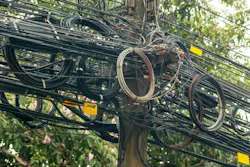
Ooma, Inc. has launched the Ooma POTS Retirement Resource Hub, an industry education initiative designed to help organizations identify legacy Plain Old Telephone Service (POTS) dependencies and prepare for the continued retirement of aging copper telephone networks.
The transition away from POTS is becoming an increasingly important consideration for organizations that rely on analog telephone lines to support critical operational systems. Fire alarm communications, elevator emergency phones, security systems, emergency call systems, fax machines and other building infrastructure can still depend on legacy analog connections.
As telecommunications providers continue retiring aging copper infrastructure, organizations that have not identified those dependencies may face higher service costs, longer repair times or disruptions when legacy lines are no longer supported.
Ooma's resource hub is intended to help organizations assess those risks and develop transition plans. The company says it plans to expand the hub with planning guides and checklists, educational content, customer examples, webinars, industry updates and tools for assessing legacy infrastructure.
"Many organizations still believe they have time before aging analog infrastructure becomes an immediate business issue," said Chris Burgy, SVP of Corporate Development at Ooma.
Burgy continutes, "What we're finding is that many organizations don't fully realize how many critical systems still depend on legacy POTS lines until they begin assessing their infrastructure. That's why education is just as important as the technology itself."
Ooma has also launched POTSTracker.com, an AI-powered monitoring and analysis platform intended to help organizations identify and manage legacy voice-service dependencies. The company says its POTS transition resources are available to organizations regardless of whether they use Ooma services.
For building owners, facility managers and other organizations responsible for critical communications and operational systems, identifying legacy POTS dependencies early can provide more time to evaluate alternatives and plan transitions before service interruptions occur.
Source: Ooma, Inc.
Stay Connected with ISE Magazine
Subscribe to our newsletters and magazine for the latest telecom insights, explore the current issue for in-depth features and strategies, and register for upcoming webinars to learn directly from industry leaders.