PSTN Migration: CSPs Face Growing Pressure to Modernize Legacy Voice Networks
Key Highlights
- Rising legacy network maintenance costs, aging TDM infrastructure, regulatory developments, and changing customer expectations are accelerating the shift to IP-based voice networks.
- TNS and Juniper Research outline a phased approach covering legacy network stabilization, TDM dependency reduction, interconnection and routing simplification, switching modernization, and service expansion.
- The research examines how CSPs can manage the transition to IP-based voice networks while addressing operational challenges, infrastructure investment, network reliability, and future revenue opportunities.
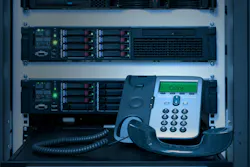
The transition from legacy Public Switched Telephone Network (PSTN) infrastructure to all-IP voice networks is gaining momentum as Communications Service Providers (CSPs) face increasing costs and operational challenges associated with maintaining aging networks. Regulatory developments, changing customer expectations, and competitive pressures are adding urgency to modernization efforts.
Regulators in several markets, including the Federal Communications Commission (FCC) in the United States, Ofcom in the United Kingdom, the Telecom Regulatory Authority of India, and the Office of the Communications Authority in Hong Kong, are addressing the industry's transition toward digital and IP-based communications. However, the pace and requirements of these transitions vary by market.
Against this backdrop, Transaction Network Services (TNS) and Juniper Research have announced the release of a new white paper, Securing the Future of Voice Communications with IP Migration. The paper examines the regulatory, operational, and business factors influencing IP migration and outlines a phased approach CSPs can use to modernize legacy voice infrastructure while maintaining service continuity.
“Modernization is not simply a technology replacement exercise,” noted Juniper. “CSPs must balance transformation goals with service continuity, operational efficiency and business growth, requiring a practical approach that minimizes risk while establishing a foundation for future IP-based communications.”
The white paper identifies several factors contributing to the transition, including the rising cost and complexity of maintaining legacy TDM switching and interconnection environments, a shrinking pool of specialized technical expertise, and regulatory developments supporting the move toward all-IP networks.
According to Joe Dechant, VP of Product Transformation at TNS, the transition also presents challenges for service providers.
“While the move to all-IP connectivity promises greater network efficiency and simpler interconnection between vendors and CSPs, there are valid industry concerns about increased investment as well as gaps in legal authority, rural coverage and the pace of change for consumers. Additionally, legacy PSTN infrastructure isn’t just expensive to maintain, it’s becoming a barrier to the new, revenue-generating services CSPs need to offer.”
Rather than recommending an immediate, wholesale replacement of legacy infrastructure, the white paper presents a five-phase migration framework intended to help CSPs manage the transition incrementally:
- Phase 1: Stabilizing the Legacy Network
- Phase 2: Reducing Dependence on TDM
- Phase 3: Simplifying Interconnection and Routing
- Phase 4: Modernizing Switching Operations
- Phase 5: Expanding Services and Revenue
According to Juniper Research, this phased approach is intended to help CSPs simplify operations, reduce dependence on specialized legacy expertise, and establish the foundation for modern voice, VoIP and clould communications offerings while protecting the reliability of the voice services customers rely on.
"The regulatory momentum behind all-IP migration is now undeniable, and CSPs that wait for a forcing event will find themselves migrating on someone else's timeline instead of their own,” said Peter Boyland, Principal Analyst at Juniper Research.
Boyland adds, “Our research shows the CSPs that come out ahead aren't the ones racing to rip out legacy infrastructure overnight. They're the ones treating this as a staged operational transformation, sequencing the work so that reliability and revenue are protected at every step."
Upcoming Webinar
TNS and Juniper Research will host a companion webinar on Wednesday, December 9, 2026, at 12:00 PM ET. The session will further explore the regulatory forces accelerating IP migration, the operational challenges CSPs face along the way, and the five-phase framework outlined in the white paper.
Stay Connected with ISE Magazine
Subscribe to our newsletters and magazine for the latest telecom insights, explore the current issue for in-depth features and strategies, and register for upcoming webinars to learn directly from industry leaders.